
A refrigerator that stops cooling can put a week of groceries at risk. A washer that suddenly will not drain can turn laundry day into a backlog. Appliance longevity is not about making every machine run forever. It is about giving the appliances your household depends on the best chance to work reliably, use energy efficiently, and avoid preventable breakdowns.
For homes, rentals, and managed properties across Arlington and the DMV, a little attention at the right time can make a meaningful difference. The key is knowing which habits matter, which warning signs should not wait, and when a skilled technician should take a closer look.
What Appliance Longevity Really Means
Major appliances are built to handle years of daily work, but their lifespan is affected by more than age. Installation quality, household usage, water conditions, ventilation, cleaning habits, and the speed of repairs all play a role. A heavily used family washer may need attention sooner than one in a two-person home. A refrigerator placed tightly against a wall may struggle more than the same model with proper airflow.
The goal is not to spend money fixing every minor cosmetic issue. It is to prevent small mechanical, drainage, electrical, and airflow problems from becoming expensive failures. Replacing a worn door gasket, clearing a dryer vent, or correcting a dishwasher leak early is often far less disruptive than waiting until the appliance stops working altogether.
There is also a practical trade-off. An older appliance may still be worth repairing if the issue is isolated and the repair can restore dependable service. If it has repeated failures, major component damage, or rising operating costs, replacement may make more sense. A technician can help you understand the condition of the appliance before you make that decision.
The Everyday Habits That Help Appliances Last
Keep airflow and drainage paths clear
Heat and moisture are hard on appliances when they cannot escape. Refrigerators need room around their coils and vents to release heat. Dryers need clean lint filters after every load and properly maintained venting. Dishwashers and washers need clear filters, drains, and hoses so water does not sit where it should not.
These jobs may sound small, but restricted airflow can make a refrigerator compressor work harder and cause a dryer to run longer than necessary. Poor drainage can lead to odors, leaks, residue, and extra strain on pumps. If you are not sure where a filter or vent is located, check the owner’s manual or ask a service professional during a maintenance visit.
Use the appliance as it was designed to be used
Overloading is one of the most common ways households shorten the life of laundry and kitchen appliances. A washer packed beyond capacity can strain its suspension, motor, and bearings. An overloaded dishwasher may leave dishes dirty, block spray arms, and force longer cycles. A refrigerator crammed so tightly that vents are blocked may cool unevenly.
The opposite can also be true. Running a large washer with only a few lightweight items repeatedly may create an unbalanced load. Follow the appliance’s load guidance, distribute items evenly, and use the correct cycle for the job. This is especially helpful with high-efficiency washers, which use less water and can be more sensitive to detergent quantity and load balance.
Use the right amount of detergent and cleaner
More detergent does not mean cleaner clothes or dishes. In fact, excess detergent can leave residue in a washer, create excess suds, and contribute to odors or drainage trouble. Use high-efficiency detergent where required, measure it carefully, and run a washer-cleaning cycle according to the manufacturer’s recommendations.
For dishwashers, use detergent designed for automatic dishwashing and keep the rinse-aid dispenser filled if your model calls for it. If dishes come out cloudy or spotted, water hardness may be part of the problem. The right product and settings can protect both cleaning performance and internal components.
Wipe, inspect, and listen
A quick visual check is one of the easiest preventive habits. Wipe refrigerator door gaskets so they can seal properly. Check washer hoses for bulges, cracks, or moisture around the connections. Look beneath the dishwasher and refrigerator for unexplained water. Clean spills from a cooktop before they bake on.
Just as useful is listening. New buzzing, grinding, squealing, knocking, or repeated clicking is worth noticing. Appliances make normal operating sounds, but a sound that is new, louder, or paired with poor performance deserves attention. Catching a problem before it causes a complete failure can protect both the appliance and your home.
Appliance Longevity by Room
In the kitchen
Refrigerators and freezers benefit from clean door seals, proper temperature settings, and adequate airflow. Avoid setting the refrigerator temperature unnecessarily low, which can increase strain and freeze food in the fresh-food compartment. Keep freezer doors closed as much as possible, and address excessive frost before it affects cooling.
Dishwashers perform better when food debris is scraped off dishes, spray arms can rotate freely, and filters are cleaned regularly. You do not need to pre-rinse every plate, but large food particles can clog filters and reduce cleaning results. If the dishwasher leaves standing water, leaks, or smells musty, do not keep running cycles in hopes that the issue will clear itself.
Ovens, ranges, cooktops, microwaves, range hoods, and garbage disposals also benefit from basic care. Clean grease from range hood filters, avoid harsh tools on cooktop surfaces, and never treat the garbage disposal like a general food-waste bin. Fibrous foods, grease, bones, and large quantities of scraps can create jams or drainage issues.
In the laundry room
Washers need level installation, secure hoses, correct detergent use, and occasional cleaning of the drum and dispenser areas. Leave the door or lid open after a load when possible so moisture can evaporate. This is particularly helpful for front-load washers, where trapped moisture can lead to mildew odors.
Dryer maintenance is a safety issue as well as a longevity issue. Clean the lint screen every time, avoid running the dryer with a damaged screen, and have the full vent path inspected and cleaned when drying times get longer. A dryer that takes two or three cycles to dry ordinary laundry is not just inconvenient. It may be signaling restricted airflow, a heating issue, or a moisture-sensor problem.
When a Small Problem Needs Prompt Repair
Waiting is not always the budget-friendly option. Water leaks can damage flooring, cabinetry, and ceilings. Electrical odors, tripped breakers, sparks, or smoke require immediate attention and the appliance should not be used. A refrigerator that is warming up, a freezer that is thawing, or a dryer that is overheating also calls for quick action.
Other signs are less urgent but still worth scheduling: an appliance that runs much longer than usual, inconsistent temperatures, weak ice production, recurring error codes, a washer that shakes violently, or a dishwasher that no longer cleans well. These issues can come from something as manageable as a clogged filter or worn seal, but they can also indicate a part that is beginning to fail.
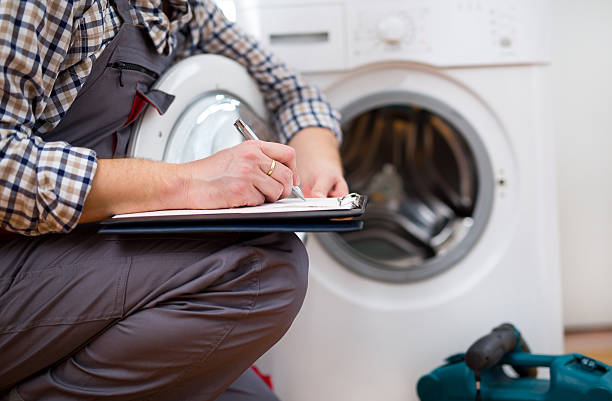
A professional diagnosis helps avoid guesswork. Replacing parts without confirming the cause can waste time and money, especially on modern appliances with electronic controls, sensors, and multiple interconnected systems. A vetted technician can inspect the appliance in your home, explain what is wrong in plain language, and provide an upfront estimate before repair work begins.
Make Maintenance Fit Your Household
A busy household does not need an elaborate maintenance calendar. It needs a routine that is realistic. Clean the dryer lint filter after every load. Check appliance seals, filters, and visible hoses every few months. Schedule deeper preventive service when a machine is heavily used, approaching an older age range, or showing early changes in performance.
Landlords and property managers may benefit from setting maintenance around tenant turnover or seasonal property checks. Homeowners can pair appliance maintenance with other household tasks, such as changing HVAC filters or checking smoke alarms. The best schedule is the one that prevents surprises without becoming another full-time chore.
When a major appliance starts acting differently, Blue Shield Appliance can help with same-day or next-day scheduling when available, clear estimates, and experienced in-home service across major brands. A timely visit can often turn a stressful interruption into a manageable repair.
Your appliances support the routines that keep your home moving. Give them regular attention, respond early when something changes, and ask for help before a minor issue becomes the next emergency.